Picking a smart speaker is really picking a voice assistant and an ecosystem, not just a piece of hardware. Amazon’s Echo line runs on Alexa; Google’s current speakers and displays run on Google Assistant (with Gemini features rolling into newer models). Both do the basics well — music, timers, weather, smart home control — so the real decision comes down to which phone you carry, which smart home devices you already own, and which voice assistant you find less annoying day to day.
What each ecosystem is built around
Alexa has the larger third-party skill library and the widest smart home device compatibility of any voice assistant, simply because it has been the default choice for so many smart plug, bulb, and camera brands for years. Google Assistant tends to be sharper at natural-language questions and search-style queries, and it integrates tightly with Google services like Calendar, Maps, and Gmail if you’re already living in that ecosystem.
Amazon Echo: strongest smart home hub
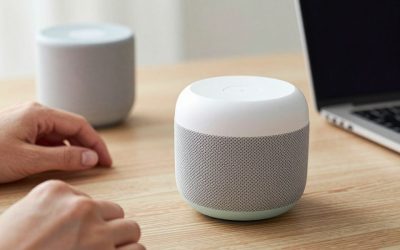
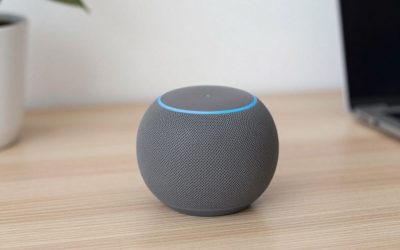
The Echo Dot (5th Gen) is the cheapest, most common entry point — a compact speaker that handles voice commands, timers, and basic smart home control without taking up much counter space. For a screen, the Echo Show 8 adds a display for video calls, recipes, and camera feeds, which is useful if you have Ring or other Alexa-compatible security cameras.
Check Echo Dot (5th Gen) on Amazon
Google: tighter search and Android integration
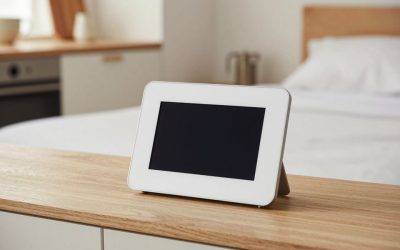
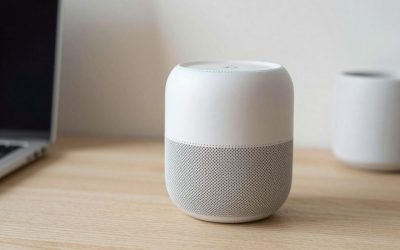
Google’s current entry-level speaker is the Google Home Speaker, which replaced the older Nest Mini and Nest Audio lines. It handles the same core tasks as the Echo Dot but leans on Google’s search and Assistant strengths. For a display, the Nest Hub (2nd Gen) doubles as a bedside sleep-tracking screen in addition to the usual smart home dashboard.
Check Google Home Speaker on Amazon
Check Nest Hub (2nd Gen) on Amazon
If sound quality matters more than voice assistant
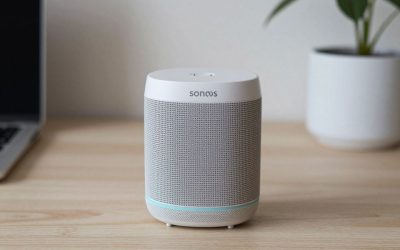
Both ecosystems have a step-up option for people who actually want to listen to music, not just issue commands. Amazon’s Echo Studio adds Dolby Atmos spatial audio to the Alexa lineup. On the Google side, the Nest Hub Max pairs a bigger screen with noticeably fuller sound than the base Nest Hub, though neither matches a dedicated audio brand like Sonos.
Smart home compatibility
If you already own smart plugs, bulbs, or cameras, check which assistant they list first — many budget smart home brands built their apps around Alexa first and added Google Assistant support later, if at all. The Matter smart home standard has narrowed this gap over the past couple of years, since a Matter-certified device should work with either ecosystem, but older or cheaper devices may still only fully support one.
Multi-room audio and routines
Both ecosystems support grouping multiple speakers together to play the same audio throughout the house, and both let you build routines that trigger several actions from a single command or schedule (“good morning” turning on lights, reading the weather, and starting coffee, for example). Alexa’s routine builder has been around longer and has more third-party triggers available. Google’s routines are simpler to set up but slightly more limited in how many conditions you can chain together.
Privacy controls on both platforms
Both Amazon and Google let you review and delete voice recordings, mute the microphone with a physical switch, and opt out of having recordings used to improve the assistant. Neither company has a meaningfully better privacy track record than the other at this point — if microphone-equipped speakers in your home concern you generally, that concern applies to both brands equally, and muting the mic when not in use is the same simple action on either device.
Price and where your money goes further
At the entry level, the Echo Dot and the Google Home Speaker are priced close enough that cost shouldn’t be the deciding factor. Where the gap widens is in displays and premium audio — Amazon’s Echo Show line has more display size options at different price points, while Google currently only offers two display sizes (Nest Hub and Nest Hub Max). If you want the cheapest possible path to a screen in the kitchen, Echo currently has more entry points.
Common questions
Can I run both ecosystems in the same house? Yes, plenty of households do — an Echo in the kitchen and a Nest Hub in the bedroom, for example. The only downside is managing two apps and, for whole-home routines, having to set them up twice.
Do I need a smart home hub for either one? No. Most modern smart plugs, bulbs, and sensors connect directly over Wi-Fi or Matter, and both the Echo and Google Home Speaker can act as a Matter controller on their own without a separate hub purchase.
Which should you choose
If you’re an iPhone user with no strong smart home investment yet, either ecosystem works equally well since neither is tied to your phone’s operating system. If you’re already deep into Google services (Gmail, Calendar, Android phone), Google’s speakers feel more integrated. If you already own several Alexa-compatible smart plugs, cameras, or routines, stick with Echo rather than rebuilding your setup from scratch — switching ecosystems after you’ve invested in devices is usually more hassle than it’s worth.
Write Your Review
No reviews yet. Be the first to share your experience!