Smart bulbs are the simplest way to add dimming, scheduling, and color to a room without rewiring anything — you just screw one in. Here are five current models that cover the main use cases, from premium color accuracy to budget basics.
What to look for
Check the bulb’s lumen output against the fixture it is replacing (some smart bulbs are dimmer than the equivalent incandescent), whether it needs a hub, and whether you actually need color-changing (RGB) or just reliable white light with scheduling, since white-only bulbs are usually cheaper and simpler.
1. Philips Hue White and Color Ambiance A19
Consistently ranked best overall, the Hue A19 delivers color that genuinely matches what you pick in the app, strong ecosystem support (Zigbee via Bridge, plus Matter), and a long track record of reliability, though it costs more than most alternatives and works best with a Hue Bridge.
Check Philips Hue A19 on Amazon
2. Wyze Bulb Color
The top budget pick, the Wyze Bulb Color costs a fraction of a Hue bulb, connects directly over Wi-Fi with no hub, and still offers roughly 1,100 lumens of brightness with full color control through the Wyze app.
Check Wyze Bulb Color on Amazon
3. Govee RGBWW A19
Govee’s bulbs lean into entertainment and mood lighting, with strong music-sync effects and some of the brightest output among budget-friendly color bulbs, though Govee currently lacks Apple HomeKit support.
Check Govee RGBWW A19 on Amazon
4. LIFX Color A19
LIFX bulbs connect directly over Wi-Fi with no hub, like Govee, but have tested alongside Hue for the most accurate color output, making this a good no-hub alternative if you want Hue-level color without buying a Bridge.
Check LIFX Color A19 on Amazon
5. WiZ Color A19
WiZ (owned by Signify, the same parent company as Philips Hue) offers Matter compatibility without a hub at a lower price point than Hue, making it a practical middle-ground choice for Matter-based smart homes.
6. TP-Link Kasa Smart Bulb KL130
The Kasa KL130 is a dependable, budget-friendly color smart bulb that connects directly over Wi-Fi without a hub, works with Alexa, Google Assistant, and the Kasa app’s scheduling and scene features, and regularly ranks among the best-value color bulbs for buyers who don’t need Philips Hue’s ecosystem depth or premium price. It supports 16 million colors and tunable white light, and because it’s Wi-Fi-direct rather than Zigbee, setup is a straightforward app pairing rather than configuring a separate bridge.
Buying considerations
Smart bulbs split into Wi-Fi-direct models (Kasa, Wyze, Govee, LIFX, WiZ) that connect straight to your router with no extra hardware, and Zigbee-based models (most Philips Hue bulbs) that need a bridge but generally offer more reliable mesh networking as you add more bulbs to a large home. For a handful of bulbs in one or two rooms, Wi-Fi-direct bulbs are simpler and cheaper to start with; for whole-home lighting with a dozen-plus bulbs, a Zigbee hub-based system often stays more responsive since it doesn’t add load to your home Wi-Fi network for every single light. Also compare brightness in lumens, not just “watt equivalent,” since color bulbs are sometimes noticeably dimmer in full RGB mode than in white mode.
FAQ
Do smart bulbs work with regular light switches?
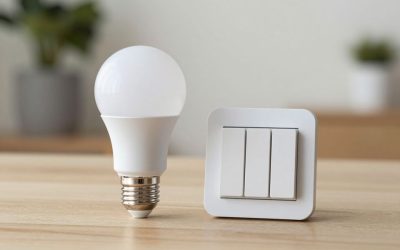
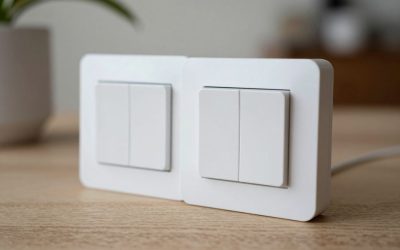
They need constant power to stay connected and respond to app/voice commands, so they should be used with switches left in the “on” position, or paired with a smart switch/dimmer instead of a standard toggle switch that cuts power entirely.
How much do smart bulbs affect electricity bills?
LED smart bulbs use roughly the same wattage as standard LED bulbs (the “smart” radio adds negligible draw), so the cost difference versus a standard LED bulb is minimal during actual use.
Can I mix bulb brands in the same room?
Yes, as long as each connects to a platform like Alexa or Google Home, you can control different brands together in groups or routines, though some brand-specific effects (like Hue’s entertainment sync) only work within that one brand’s ecosystem.
Color accuracy and brightness trade-offs
Full-color smart bulbs almost universally produce less maximum brightness in colored modes than in plain white mode, since the RGB LEDs driving color output are less efficient at producing lumens than dedicated white LEDs. If a room’s primary lighting need is genuine brightness (a home office, a kitchen task area), prioritize the bulb’s white-mode lumen rating over its marketed “color” features, and reserve full-color bulbs for accent or ambiance lighting where lower brightness in colored modes isn’t a practical problem. Also check color rendering index (CRI) ratings if color accuracy for tasks like makeup application or detailed work matters — most smart bulbs list CRI 80+ as acceptable, with CRI 90+ considered excellent for accurate color rendering.
FAQ
Are colored smart bulbs as bright as regular white bulbs?
Typically not at maximum output in full-color mode — switching to white mode on the same bulb usually produces meaningfully higher brightness, which matters for rooms where functional lighting is the priority.
What does CRI mean and why does it matter?
Color Rendering Index measures how accurately a light source renders colors compared to natural daylight; higher CRI (90+) is better for tasks involving color judgment, like applying makeup or inspecting clothing colors.
Bulb base sizes and fixture compatibility
Nearly all the bulbs on this list use a standard E26 (US) base compatible with typical table lamps, floor lamps, and ceiling fixtures, but always double-check against specialty fixtures using smaller E12 or E17 bases, common in some decorative lamps and ceiling fans, since a standard smart bulb simply won’t physically fit a mismatched socket. Enclosed fixtures (fully enclosed globes or recessed cans without ventilation) can also cause smart bulbs to run hotter than open fixtures, potentially shortening their lifespan, so checking a bulb’s enclosed-fixture rating matters for those specific installations.
Final thoughts
If budget is the priority, Wyze or Govee cover the basics well. If you want the most accurate color and do not mind the extra cost, Philips Hue or LIFX are the safer long-term picks.
Write Your Review
No reviews yet. Be the first to share your experience!