A traditional deadbolt has one job and does it reliably for decades with no batteries and no app. A smart lock adds convenience — keyless entry, remote access, activity logs — at the cost of complexity and an eventual battery change. Here’s how to decide if the upgrade is actually worth it for your front door.
Traditional deadbolt: the reliable baseline
A standard Schlage or Kwikset deadbolt, properly installed with a solid strike plate, remains a legitimate and secure choice. It never loses power, never needs a firmware update, and can’t be locked out by a dead battery or a buggy app. The downside is purely convenience — you need a physical key every time, and there’s no way to see who came and went or to lock up remotely if you forget.
Retrofit smart lock: keep your existing deadbolt
The August Wi-Fi Smart Lock installs over your existing deadbolt from the inside, leaving the exterior keyhole and key completely unchanged. A small motor turns the existing thumbturn automatically, which means auto-lock, remote access, and guest codes without replacing the hardware your landlord or home already has. It’s the easiest smart lock option for renters since it comes off cleanly if you move.
Check August Wi-Fi Smart Lock on Amazon
Full-replacement smart lock: more features, more commitment
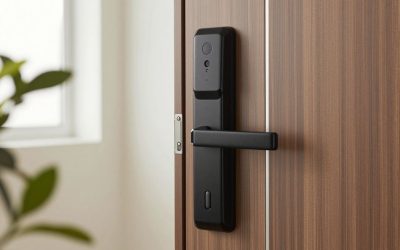
Locks like the Schlage Encode Plus or Kwikset Halo Touch replace the entire deadbolt, adding a keypad or fingerprint reader built into the lock body along with Wi-Fi connectivity and strong physical security ratings. These are a bigger install project than a retrofit lock, and not something you’d want to do in a rental, but they’re the better long-term choice if you own your home and want a single integrated unit rather than a motor bolted onto an older lock.
Check Schlage Encode Plus on Amazon
Check Kwikset Halo Touch on Amazon
Battery life and what happens when it dies
Every smart lock runs on batteries, and every reputable model includes a backup way in if they die — usually a physical key override on retrofit locks, or a 9-volt battery terminal you can touch to the outside of a full-replacement lock to borrow enough power for one unlock. None of the locks worth buying will permanently trap you outside over a dead battery, but it’s worth checking this specific detail before buying any smart lock, since cheaper off-brand models sometimes skip the backup entirely.
Installation time compared
A retrofit lock like the August typically installs in well under an hour since it’s attaching to hardware that’s already there and already working. A full-replacement lock involves removing the old deadbolt entirely and fitting the new one to the existing door prep, which usually takes longer and occasionally runs into fit issues if your door’s holes don’t match the new lock’s specifications exactly.
What you actually gain with a smart lock
The practical wins are guest access codes that expire on their own, no more hiding a spare key under a doormat, remote locking if you forget on your way out, and an entry log if that matters to you. None of this makes a door meaningfully harder to force open than a good traditional deadbolt — the security upgrade is really about who can get in without a physical key, not about resisting a break-in attempt.
Checking with your landlord or HOA first
Even a retrofit lock changes what’s on your front door, and some leases or HOA rules require sign-off before any hardware change, cosmetic or not. It’s a quick conversation that avoids a dispute later, and most landlords are fine with a retrofit lock specifically because it doesn’t touch the existing cylinder or exterior keyway at all.
Insurance and resale considerations
A smart lock generally doesn’t move the needle on homeowner’s insurance pricing the way a full monitored alarm system might, so don’t expect a discount for installing one. If you’re selling your home, a full-replacement smart lock can be a minor selling point, but buyers often re-key or replace locks anyway as a basic security habit, so it’s not something to factor heavily into a sale.
Pairing a smart lock with a security camera
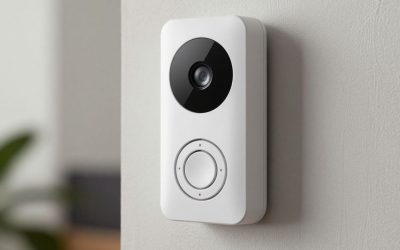
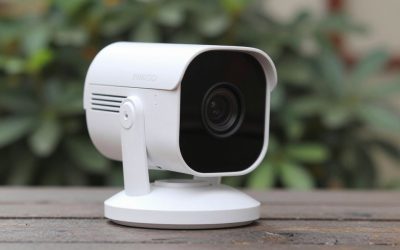
A doorbell camera and a smart lock solve related but different problems — the camera tells you who’s there, the lock controls whether they can get in without you present. Pairing the two, rather than treating them as alternatives, covers both halves of “someone needs access while I’m not home” more completely than either one alone.
Final thoughts
If you rent, a retrofit lock like the August gives you the convenience without touching the building’s hardware. If you own your home and like the idea of ditching keys entirely, a full-replacement lock like the Schlage Encode Plus is the more permanent upgrade. If neither problem — losing keys, managing guest access — actually bothers you, a well-installed traditional deadbolt is still a perfectly reasonable choice.
Write Your Review
No reviews yet. Be the first to share your experience!