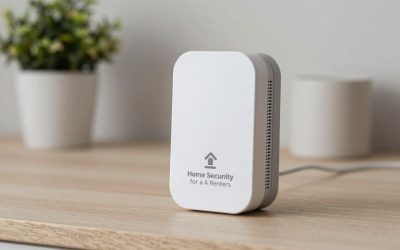
A full DIY home security system bundles sensors, a base station, and often a keypad or siren into one self-installed package, giving you whole-home coverage without a long-term contract or a professional installation crew. Here are four of the most recommended systems for 2026.
What to look for
Decide whether you want optional professional monitoring (useful for actual police/fire dispatch) or are comfortable with self-monitoring through app alerts alone, check how large a starter kit you need based on square footage and number of entry points, and confirm whether the system requires a subscription for core features or only for extras like video storage.
1. SimpliSafe
SimpliSafe is frequently named the best overall DIY system, with an 8-piece starter kit that typically installs in about 30 minutes, optional professional monitoring under $1 per day, and no long-term contract required, making it one of the more flexible options for renters or new homeowners.
Check SimpliSafe Home Security System on Amazon
2. Ring Alarm
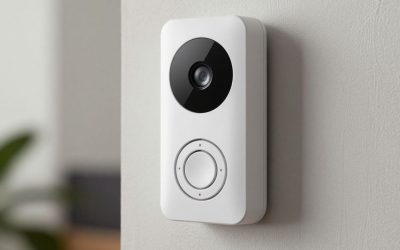
Ring Alarm kits scale from 5 to 14 pieces, with larger kits recommended for homes over 2,000 square feet, and the system integrates tightly with Ring’s video doorbells and cameras if you already own any, putting cameras and alarm sensors in one app.
3. Abode
Abode is cited by several reviewers as the strongest all-around option for flexible third-party integrations, supporting a wide range of existing smart-home devices and sensors rather than locking you into one brand’s ecosystem exclusively.
Check Abode Home Security System on Amazon
4. Aqara Smart Home Security Kit
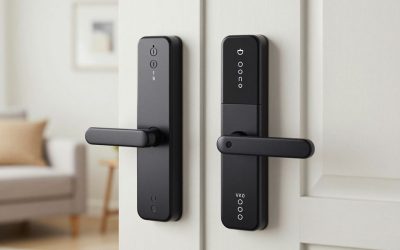
For automation-first households, an Aqara-based security kit (hub plus sensors) is suited less toward professional monitoring and more toward triggering lights, locks, and routines automatically when a sensor is tripped, appealing to anyone who already has an Aqara or Zigbee smart-home setup.
Check Aqara Smart Home Security Kit on Amazon
5. Wyze Home Monitoring System
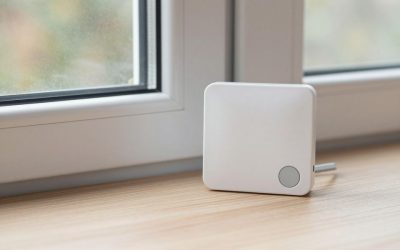
Wyze’s DIY security system pairs a central hub, keypad, motion sensor, and entry sensors with the option to add Wyze cameras for a genuinely budget-friendly whole-home setup, including an optional 24/7 professional monitoring plan with real human agents and 911 dispatch capability. It lacks some of the polish and cellular backup options of SimpliSafe or Ring Alarm, but its low entry price and tight integration with Wyze’s already-popular camera lineup make it an easy on-ramp for anyone who already owns Wyze cameras and wants to add alarm functionality without switching ecosystems.
Check Wyze Home Monitoring on Amazon
Buying considerations
DIY security systems differ mainly in monitoring options and cellular backup: SimpliSafe and Ring Alarm both offer optional professional monitoring with cellular backup that keeps the system connected even if an intruder cuts internet or power, while budget systems like Wyze’s rely more heavily on Wi-Fi connectivity without a cellular fallback tier in most configurations. If 24/7 professional monitoring with police/fire dispatch matters to you, compare monthly subscription costs carefully, since this is where total cost of ownership differs most between brands — hardware prices are often similar, but monitoring fees range from roughly $10 to $30+ per month depending on provider and contract length.
FAQ
Do I need professional monitoring, or can I self-monitor for free?
Every system here supports free self-monitoring through app notifications; professional monitoring with emergency dispatch is an optional paid upgrade, worth it mainly for households that want guaranteed emergency response even if nobody sees the phone alert in time.
What happens if an intruder cuts my Wi-Fi or power?
Systems with cellular backup (available on SimpliSafe and Ring Alarm, often as a paid add-on) continue operating and can still alert monitoring services; Wi-Fi-only systems without backup lose connectivity in that scenario.
Can I expand a DIY system over time?
Yes, all of these are designed as expandable kits — start with a core set of sensors and a hub, then add cameras, additional door/window sensors, or glass-break sensors as budget allows.
DIY versus professionally installed systems
The core appeal of DIY security systems (SimpliSafe, Ring Alarm, Wyze, Aqara kits) is self-installation without scheduling a technician visit and no long-term contract requirement, which traditional professionally-installed systems often still require. The trade-off is that DIY systems place more responsibility on you to correctly place sensors and periodically test the system, since there’s no installer verifying coverage. For most modern homes with straightforward layouts, DIY installation is genuinely manageable in an afternoon; unusually large homes, homes with complex wiring needs, or buyers who simply prefer a hands-off setup may still find a professionally installed system worth the extra cost.
FAQ
Is DIY installation actually reliable, or is professional installation safer?
For straightforward home layouts, DIY systems from reputable brands are genuinely reliable when installed following the included guide; complex or unusually large properties may benefit from a professional assessment to ensure full coverage.
Do DIY systems require a long-term contract?
Generally no — most DIY brands offer month-to-month monitoring plans without a multi-year contract, which is a meaningful advantage over some traditional professionally-installed security systems.
What professional monitoring actually includes
Professional monitoring subscriptions generally mean a staffed monitoring center receives your alarm trigger, attempts to contact you to verify it’s not a false alarm, and dispatches emergency services if needed or unreachable — this differs meaningfully from self-monitoring, where you alone receive the notification and must decide whether and how to respond, including calling emergency services yourself. For households often away from their phone, traveling, or wanting guaranteed response even if a notification is missed, the monthly cost of professional monitoring buys genuine peace of mind beyond what free self-monitoring provides.
FAQ
What’s the real difference between self-monitoring and professional monitoring?
Self-monitoring sends alerts only to your phone, requiring you to respond and contact emergency services yourself; professional monitoring has a staffed center that attempts to verify the alarm and can dispatch emergency services directly, which matters most for reliability when you might miss a notification.
Final thoughts
SimpliSafe remains the easiest, most balanced starting point for most households. Choose Ring Alarm if you already own Ring cameras, and consider Abode or Aqara if deep smart-home automation matters more to you than traditional professional monitoring.
Write Your Review
No reviews yet. Be the first to share your experience!